.svg)








.svg)




Tratamiento
Non-Surgical Otoplasty

A personalised non-surgical otoplasty treatment planned following a physician consultation in suitable patients, with a process focused on individual assessment and follow-up.
.svg)
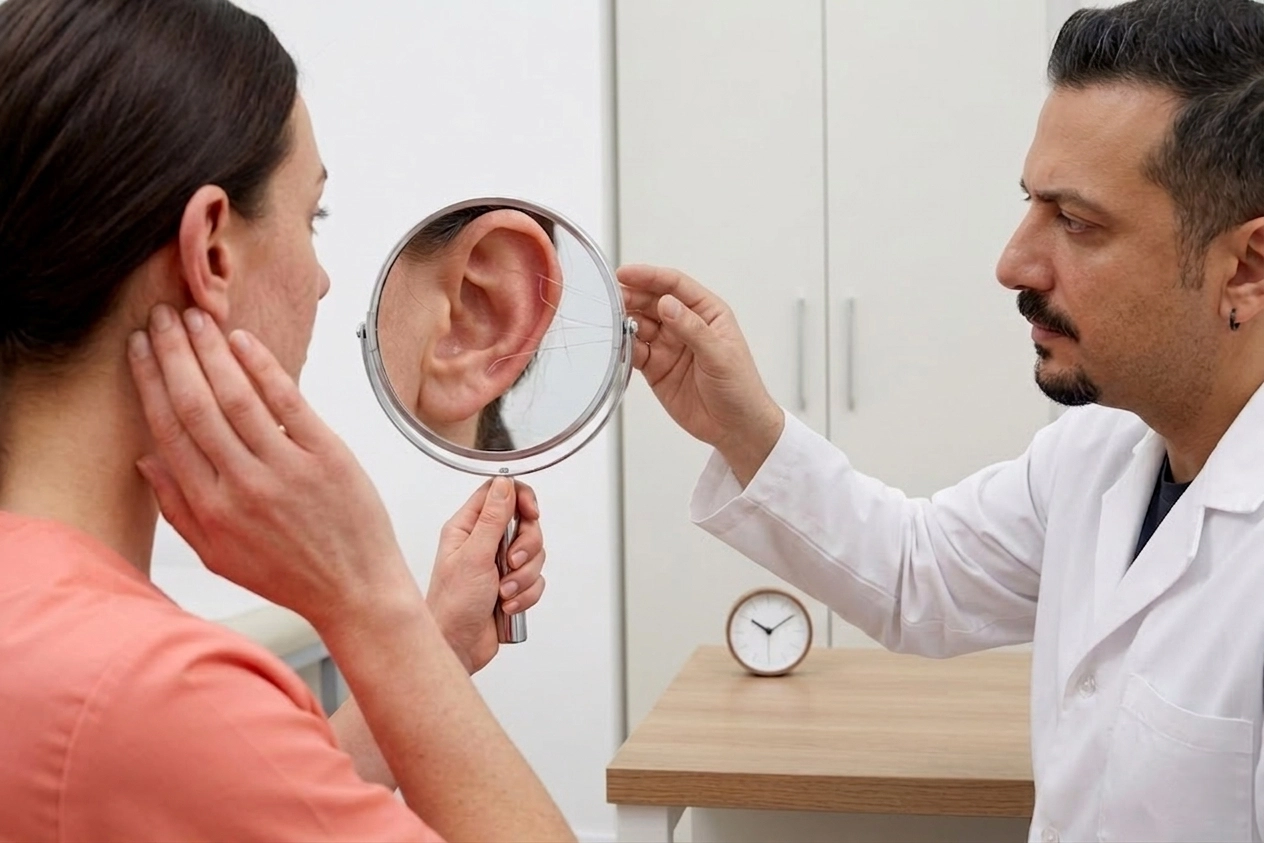
Non-Surgical Otoplasty
A personalised non-surgical otoplasty treatment planned following a physician consultation in suitable patients, with a process focused on individual assessment and follow-up.
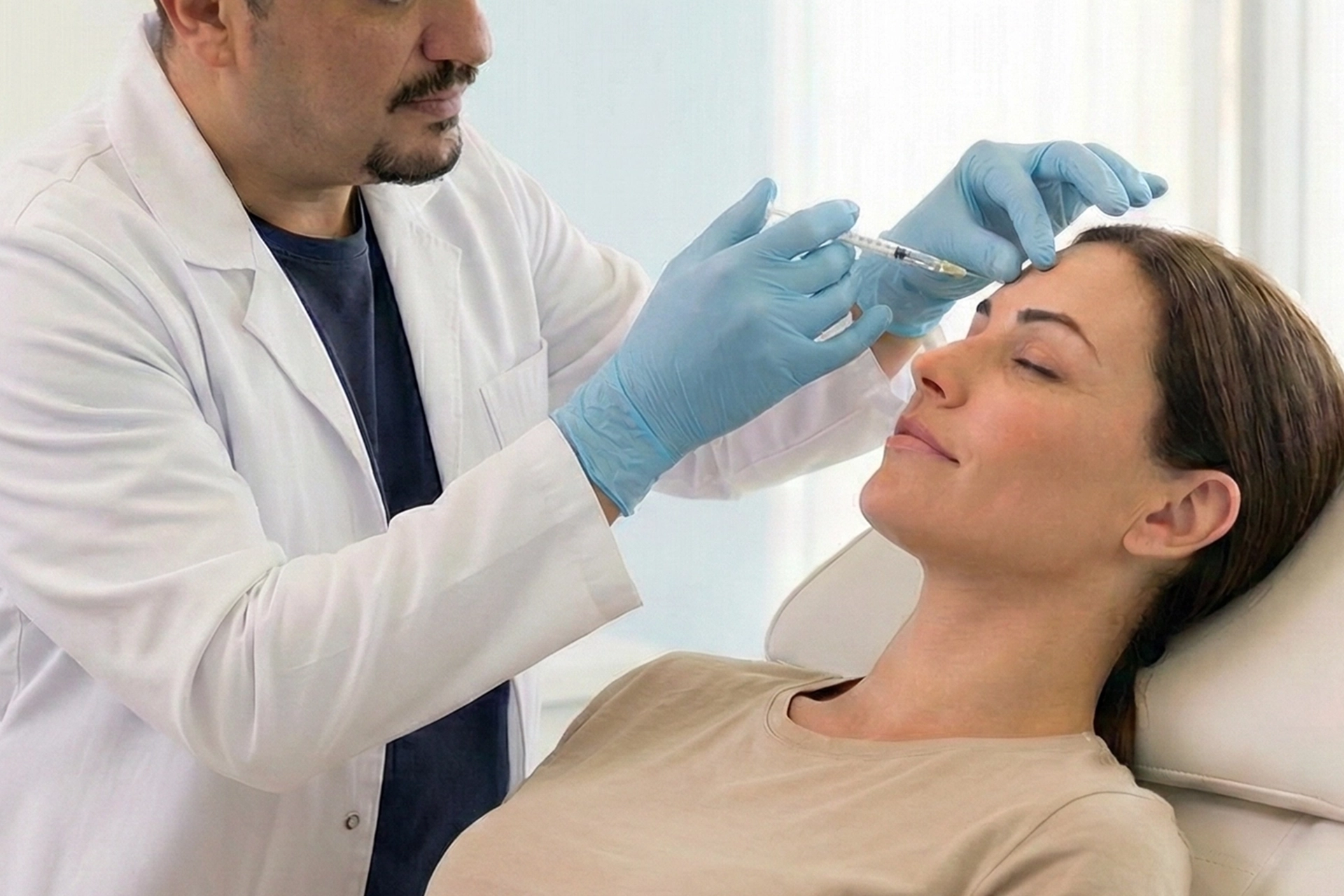
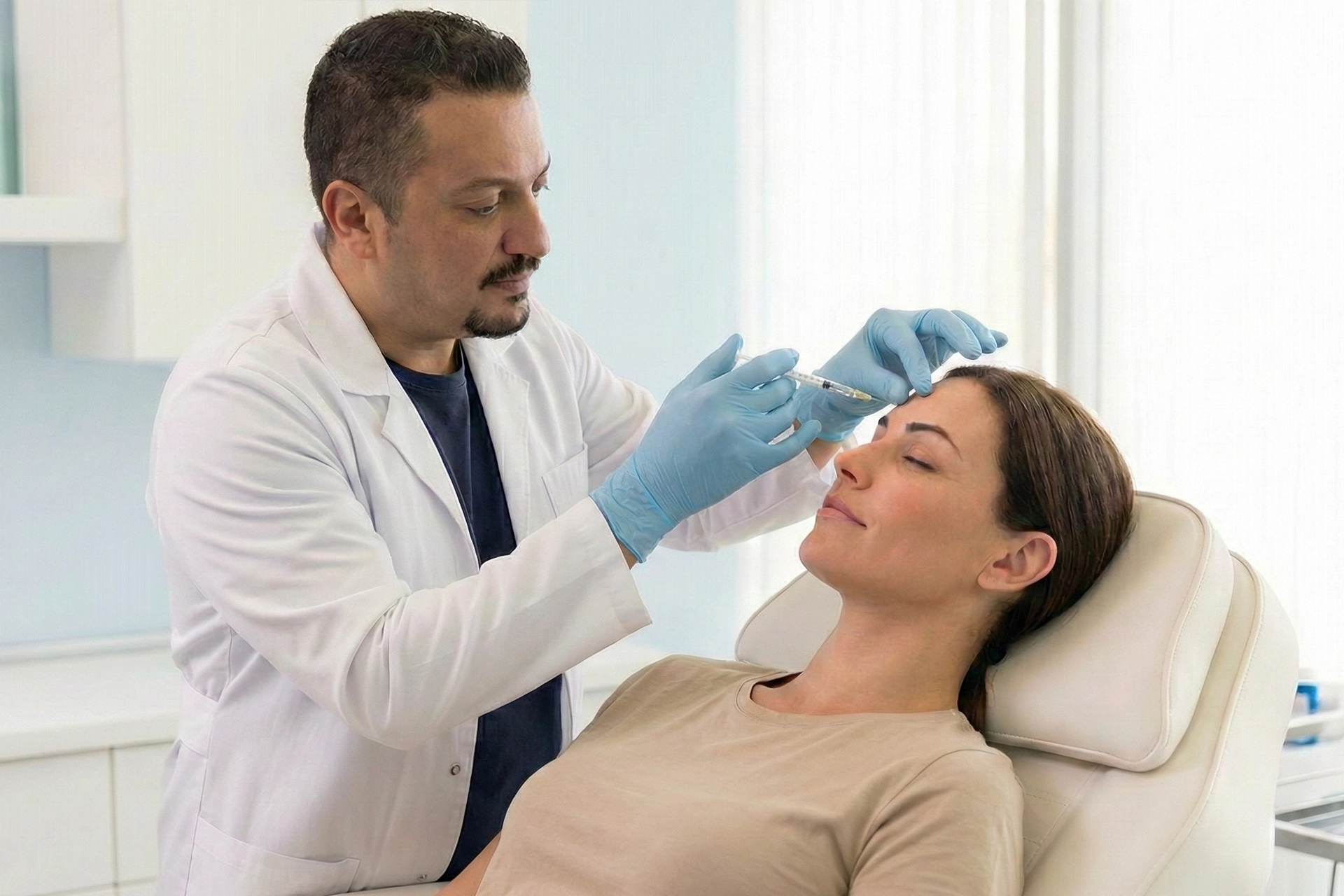
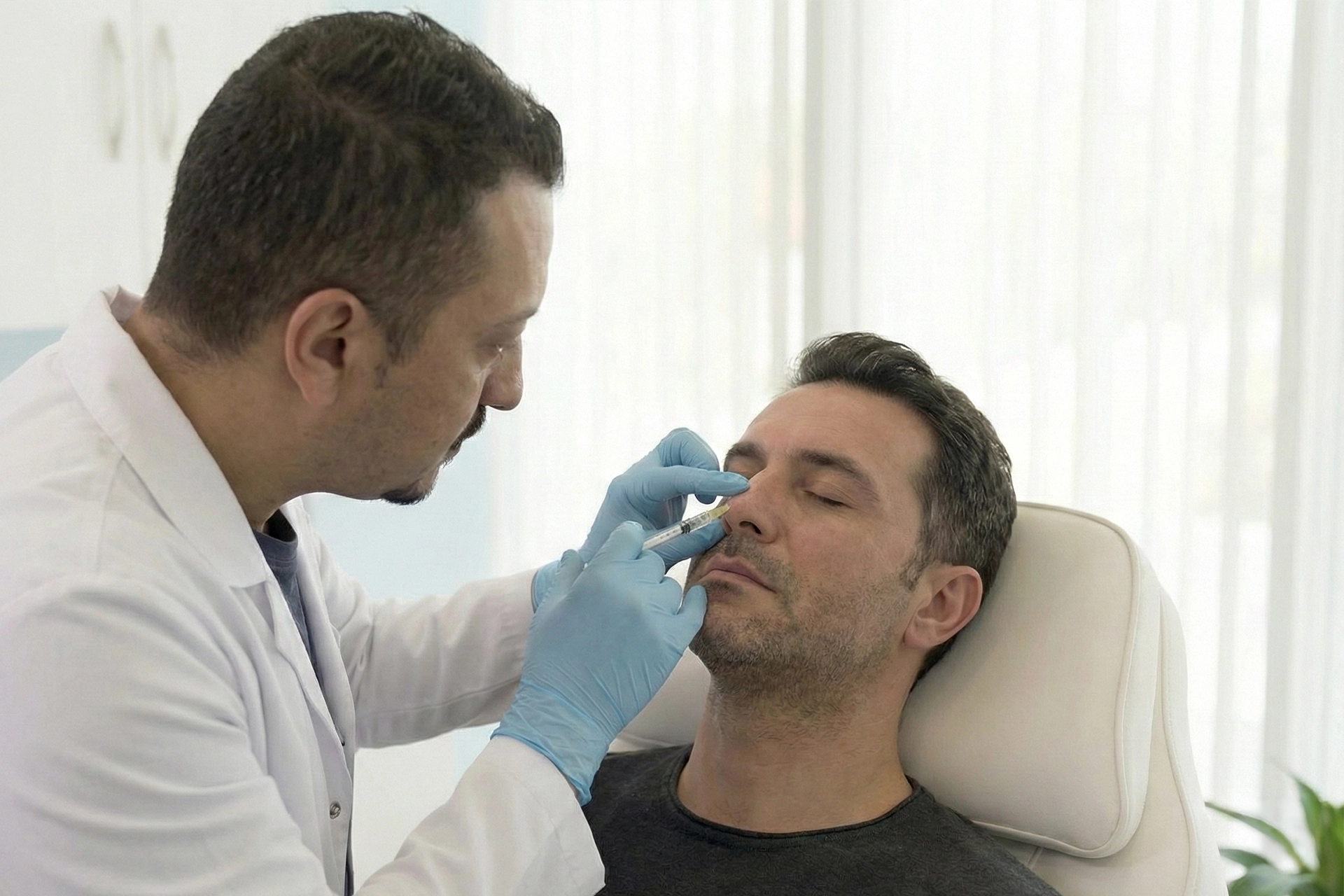
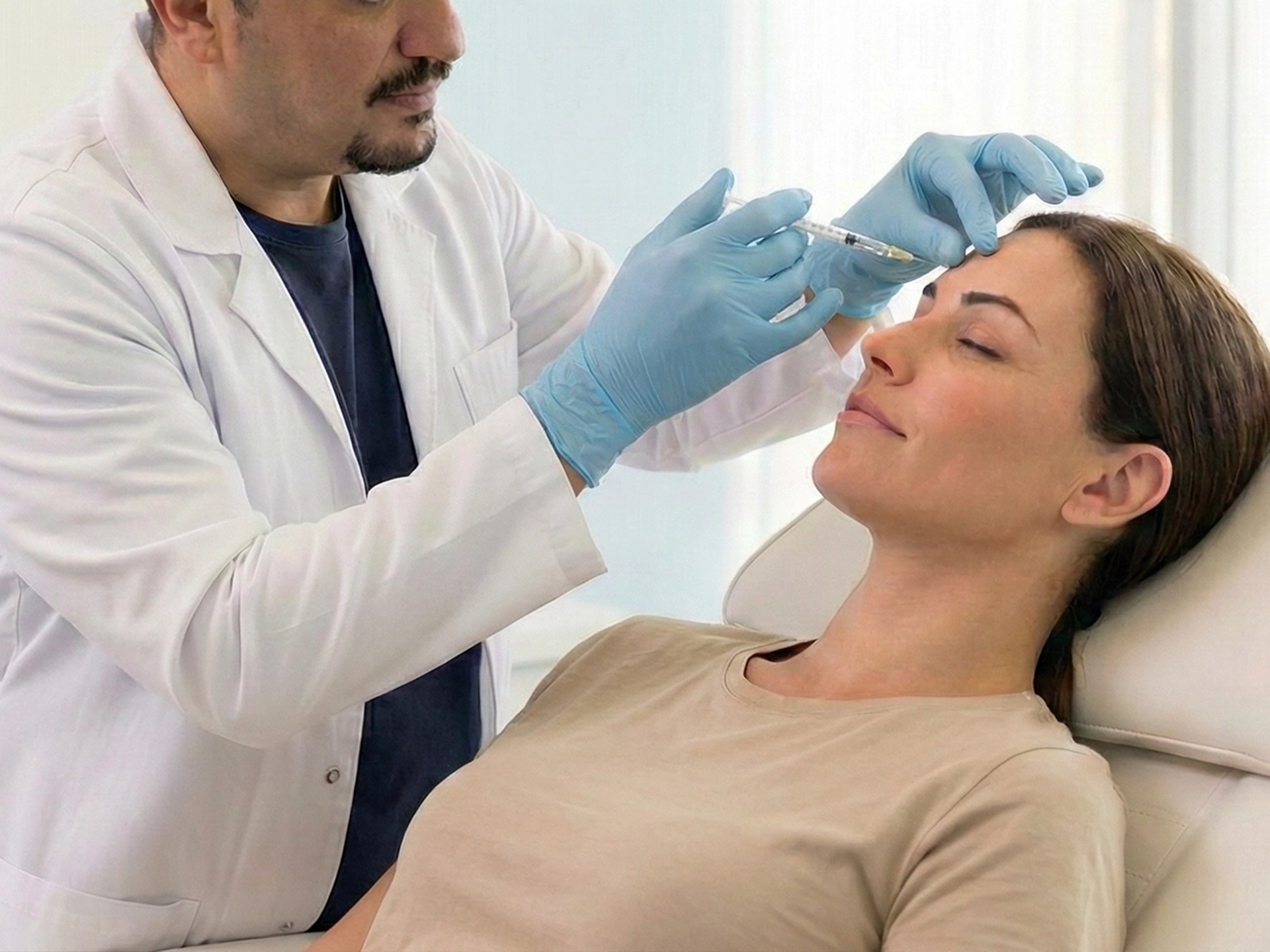
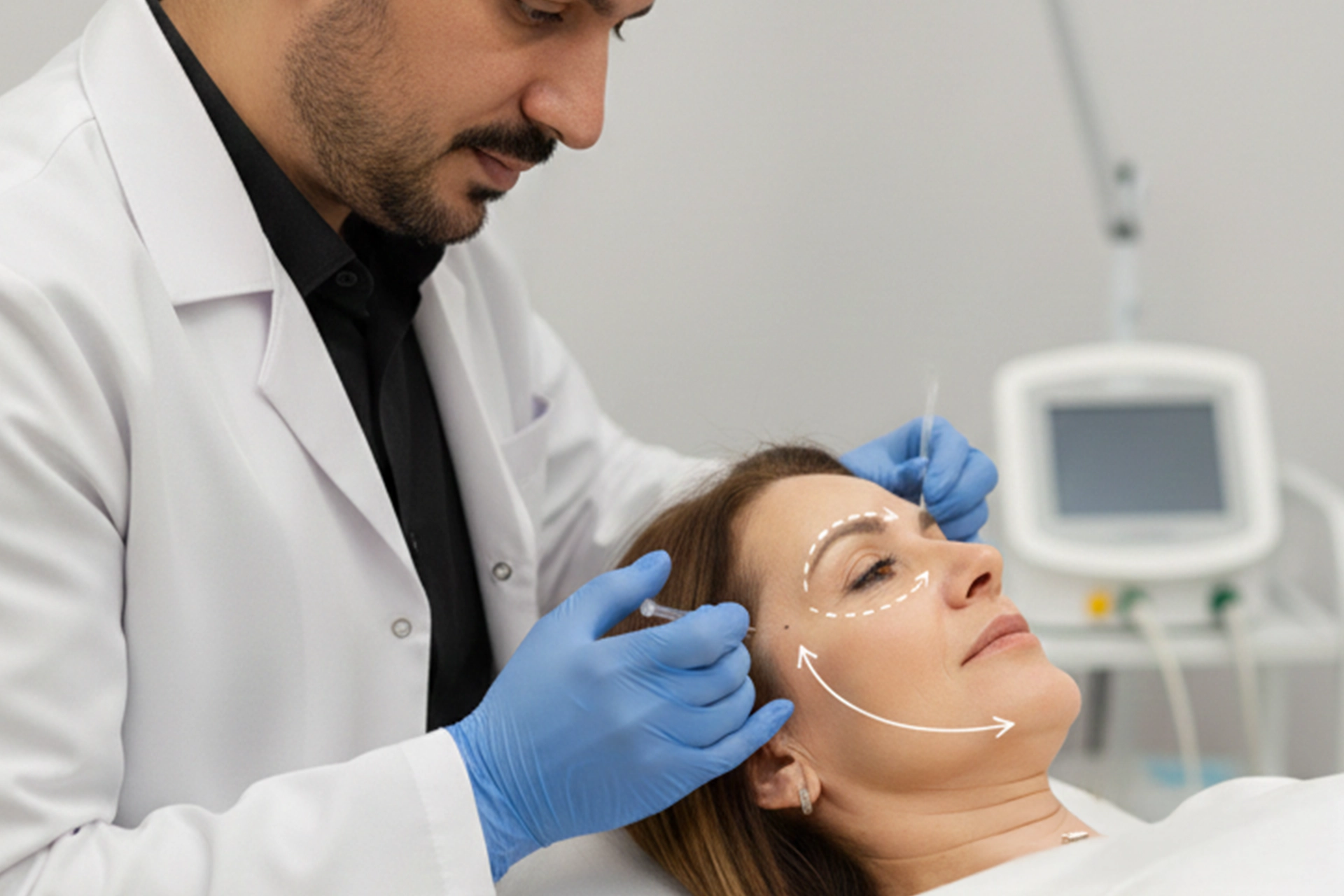
Non-surgical otoplasty, also referred to in selected cases as thread-based prominent ear correction, is a non-surgical treatment that may be considered in suitable patients with concerns such as prominent ear appearance, reduced fold definition, or imbalance in ear contour. At Dr. Veysel Alimoğlu Clinic, treatment planning is based on the evaluation of ear cartilage structure, skin and tissue characteristics, symmetry, and expectation management. The treatment technique, session need, and follow-up plan may vary from person to person. Suitability is determined during consultation, and results may differ individually.


Integral
Cubriendo una amplia gama de trastornos neurológicos con planes de tratamiento exhaustivos.

Personalizado
Cada tratamiento se adapta para satisfacer las necesidades únicas de cada paciente.

Avanzado
Utilizando la última tecnología y métodos para una atención neurológica efectiva.

Ubicación
Ubicación Central, fácilmente accesible para todas sus necesidades de atención médica y salud.

Horario
Horarios flexibles para adaptarse a tu agenda, asegurando un acceso conveniente a la atención médica.

Soporte
Equipo de soporte dedicado siempre listo para responder todas tus consultas de salud.
Sobre el tratamiento
What Is Non-Surgical Otoplasty?
Non-surgical otoplasty refers to a physician-planned treatment approach that may be considered in suitable patients to support the ear shape without surgery.
The aim is to help reduce the appearance of the ear standing away from the head and to support a more balanced contour in the ear fold. In selected cases, this may involve a thread-based correction approach.
This treatment is not suitable for everyone, and the key factors are always cartilage structure, anatomical suitability, and individual assessment.
What Causes a Prominent Ear Appearance?
A prominent ear appearance may be related to factors such as:
- insufficient definition of the antihelical fold
- structural features of the ear cartilage
- a more open angle between the ear and the head
- individual anatomical differences
For this reason, the same treatment does not create the same result in every patient.
Who May Be Considered for Non-Surgical Otoplasty?
Following a physician consultation, non-surgical otoplasty may be considered in suitable individuals with concerns such as:
- a visible prominent ear appearance
- reduced definition in the ear fold
- mild asymmetry between the right and left ears
- the wish for a more balanced ear contour
- a preference to explore a non-surgical option before considering surgery
In some patients, surgical otoplasty may still be the more appropriate option. The decision is clarified during consultation.
Assessment and Planning at Dr. Veysel Alimoğlu Clinic
At Dr. Veysel Alimoğlu Clinic, treatment planning usually includes:
- analysis of the ear form and symmetry
- evaluation of anatomical suitability for the treatment
- clarification of the treatment goal and realistic expectations
- planning of the follow-up and aftercare process
The aim is to create a measured, safe, and controlled plan rather than promising an exaggerated or unrealistic result.
How Does the Treatment Process Progress?
The general process usually includes:
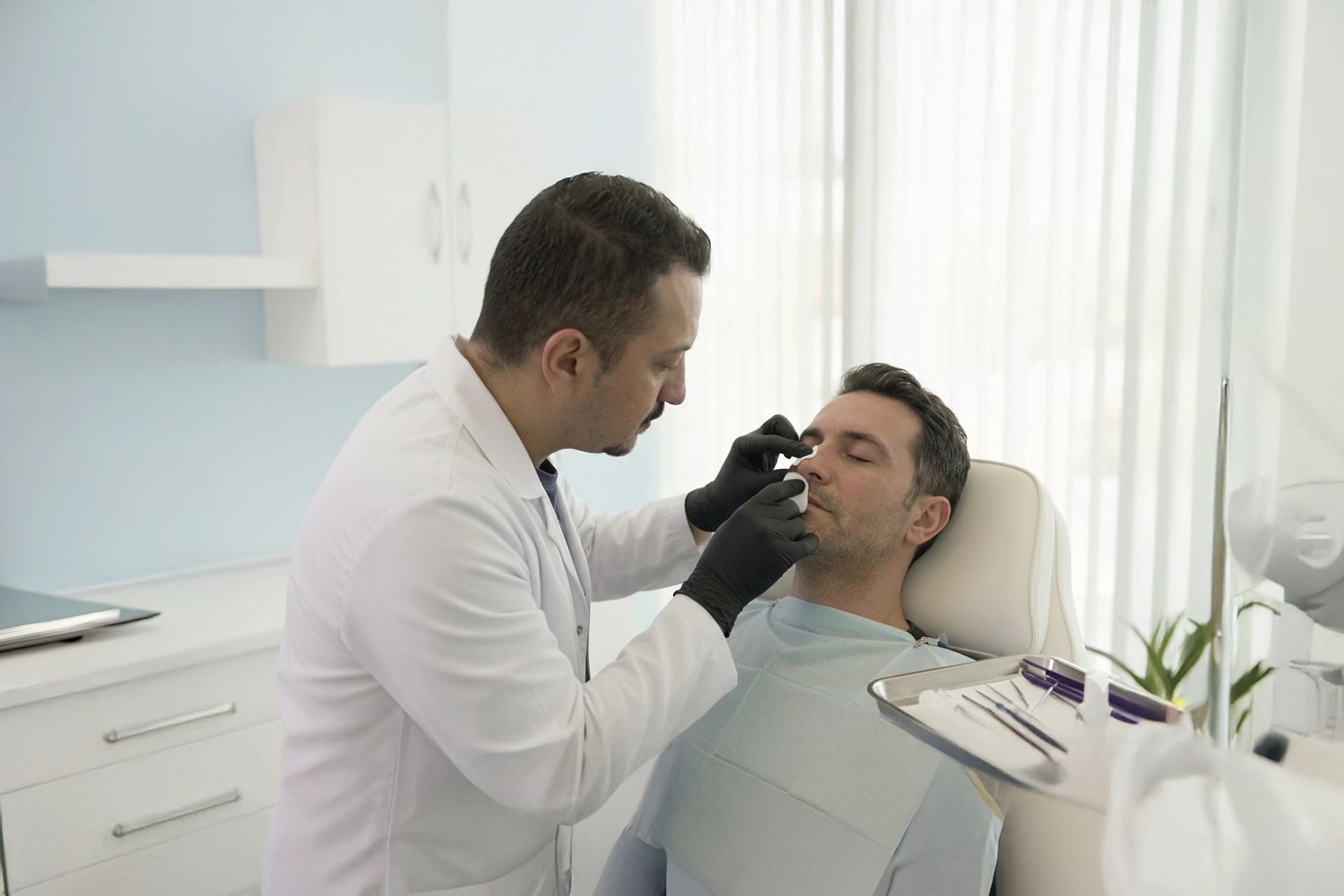
- physician consultation and suitability assessment
- pre-treatment information, including goals, limits, and follow-up
- the procedure itself
- review and follow-up appointment
- revision of the plan or additional evaluation if needed
The treatment details and follow-up structure may vary from person to person.
What Should Be Considered After the Procedure?
Depending on the physician’s recommendations, common aftercare points may include:
- protecting the ear area from unnecessary pressure or trauma
- being cautious about sleeping positions, especially during the early period
- avoiding pressure from glasses, headphones, or accessories if relevant
- attending the planned review appointment
- following the advised aftercare plan if there is temporary sensitivity or swelling
Safety and Suitability
Not every treatment is suitable for every patient. Suitability is determined during a physician consultation. Particular attention is required in cases such as:
- active infection or a skin problem in the ear area
- chronic medical conditions or regular medication use
- a history of previous procedures or surgery in the area
Frequently Asked Questions
Is non-surgical otoplasty permanent?
Its durability may vary depending on the technique used, tissue structure, and individual factors. Detailed information is provided during consultation.
Is it suitable for everyone?
No. Anatomical suitability and realistic treatment limits are determined during consultation.
Can both ears become perfectly symmetrical?
The goal is not to promise 100% symmetry, but to support the most balanced and natural-looking result possible. Realistic goals are clarified during consultation.
Important Information
This content is provided for informational purposes only. Suitability, method selection, and follow-up planning are determined during a physician consultation. Results may vary from person to person.

Otros Tratamientos